The New Gold Rush: Why Digital Nomads Are Flocking to Southeast Asia
There is another wave rolling across Southeast Asia.
It isn't backpackers.
It isn't retirees.
It isn't gap-year students armed with oversized rucksacks and a Lonely Planet guide.
It's digital nomads.
They're arriving from Britain, Germany, Australia, Canada, Brazil and dozens of other countries, carrying little more than a laptop, a smartphone and the freedom to work from almost anywhere with a decent internet connection.
When I first travelled through Southeast Asia in the 1980s, the idea would have sounded like science fiction.
Back then, if you wanted to earn money, you usually had to be where your employer was.
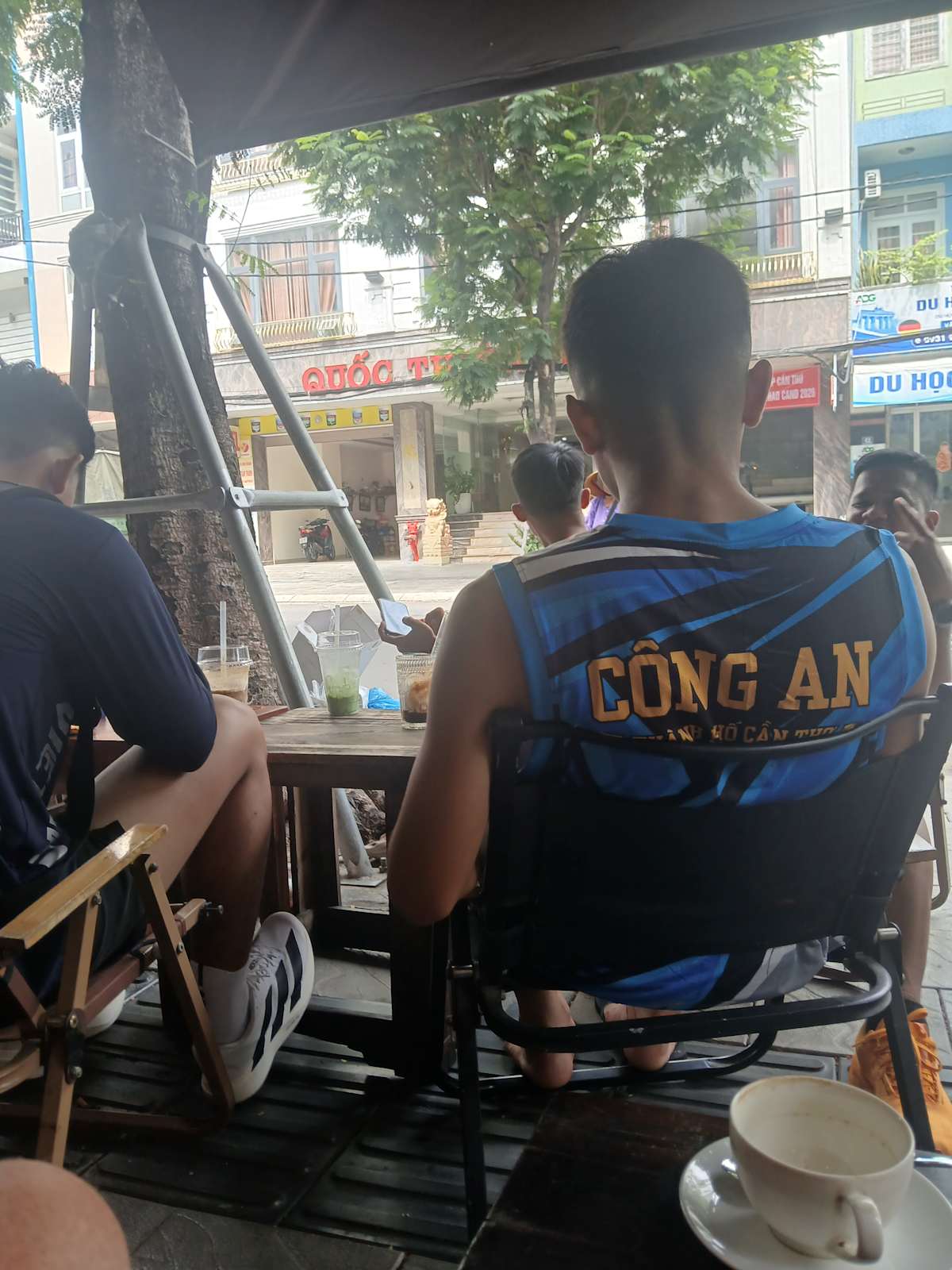
Today, your office can be a beach café in Da Nang, a rooftop in Bangkok, a coffee shop in Chiang Mai or an apartment overlooking the sea in Nha Trang.
All you really need is reliable Wi-Fi.
What Do They Actually Do?
The surprising thing is just how varied their work is.
Some write software for companies thousands of miles away.
Others design websites, build apps or protect businesses from cyber attacks.
Many work in digital marketing, managing advertising campaigns, social media accounts or search engine optimisation for clients they've never met in person.
There are writers producing blogs, newsletters and online courses.
Graphic designers creating logos and branding.
Video editors turning raw footage into polished YouTube content.
Photographers selling images worldwide.
Translators, accountants, virtual assistants, business consultants and project managers all logging on from cafés overlooking the ocean.
Teachers now conduct English lessons through video calls with students on the other side of the world.
Musicians record tracks from hotel rooms.
Podcasters interview guests from different continents.
Even doctors, psychologists and lawyers increasingly offer online consultations where regulations allow.
Artificial intelligence has accelerated the trend even further.
People now use AI tools to research, write, code, translate, edit photographs, generate marketing campaigns and automate repetitive tasks that once filled entire working days.
For many, location has become almost irrelevant.
Why Southeast Asia?
The answer is simple.
Value.
A salary earned in London, Sydney or New York stretches much further in Vietnam, Thailand or Indonesia.
Rent is often lower.
Food is excellent and inexpensive.
Healthcare is generally affordable.
Transport costs are modest.
The weather rarely requires a winter coat.
For someone earning in pounds, dollars or euros, the quality of life can improve dramatically.
It isn't about living cheaply.
It's about living well.
Vietnam's Growing Appeal
Vietnam has become one of the fastest-growing destinations for remote workers.
Cities such as Da Nang attract people looking for a balance between modern infrastructure and a slower pace of life.
The internet is fast.
Coffee shops are everywhere.
Apartments remain affordable by international standards.
The beaches are never far away.
For many digital nomads, the working day starts with Vietnamese coffee, continues in an air-conditioned café and ends with a walk along the beach at sunset.
That is a difficult lifestyle to ignore.
Building New Communities
One thing I have noticed is that digital nomads rarely stay isolated for long.
Coworking spaces have become modern-day villages.
People swap business ideas over coffee.
Freelancers find new clients.
Programmers meet designers.
Writers meet photographers.
A conversation over breakfast can lead to a business partnership by lunchtime.
Friendships form quickly because everyone shares something in common.
They all chose freedom over the traditional office.
It's Not Always Paradise
Of course, social media only tells part of the story.
Those Instagram photographs of laptops beside infinity pools rarely show looming deadlines, awkward video meetings at midnight because of time zone differences, unreliable clients or the loneliness that can come from constantly moving between countries.
Freedom comes with responsibility.
Many digital nomads work long hours to keep that freedom.
There are visas to organise, taxes to understand and healthcare to arrange.
It isn't a permanent holiday.
It's simply a different way of working.
A New Chapter in Travel
Watching this unfold has been fascinating.
I've travelled through Southeast Asia for decades and have seen backpackers become flashpackers, internet cafés disappear, smartphones replace paper maps, and ride-hailing apps transform transport almost overnight.
Now I'm watching another chapter being written.
People are no longer travelling to escape work.
They're travelling because their work allows them to travel.
That may be the biggest change of all.
The old dream was to work hard, retire early and then explore the world.
The new dream is to explore the world while you're still building your career.
Whether this becomes the future for millions more remains to be seen.
July 28, 2026
DIGITAL NOMADS ACROSS SOUTH-EAST ASIA