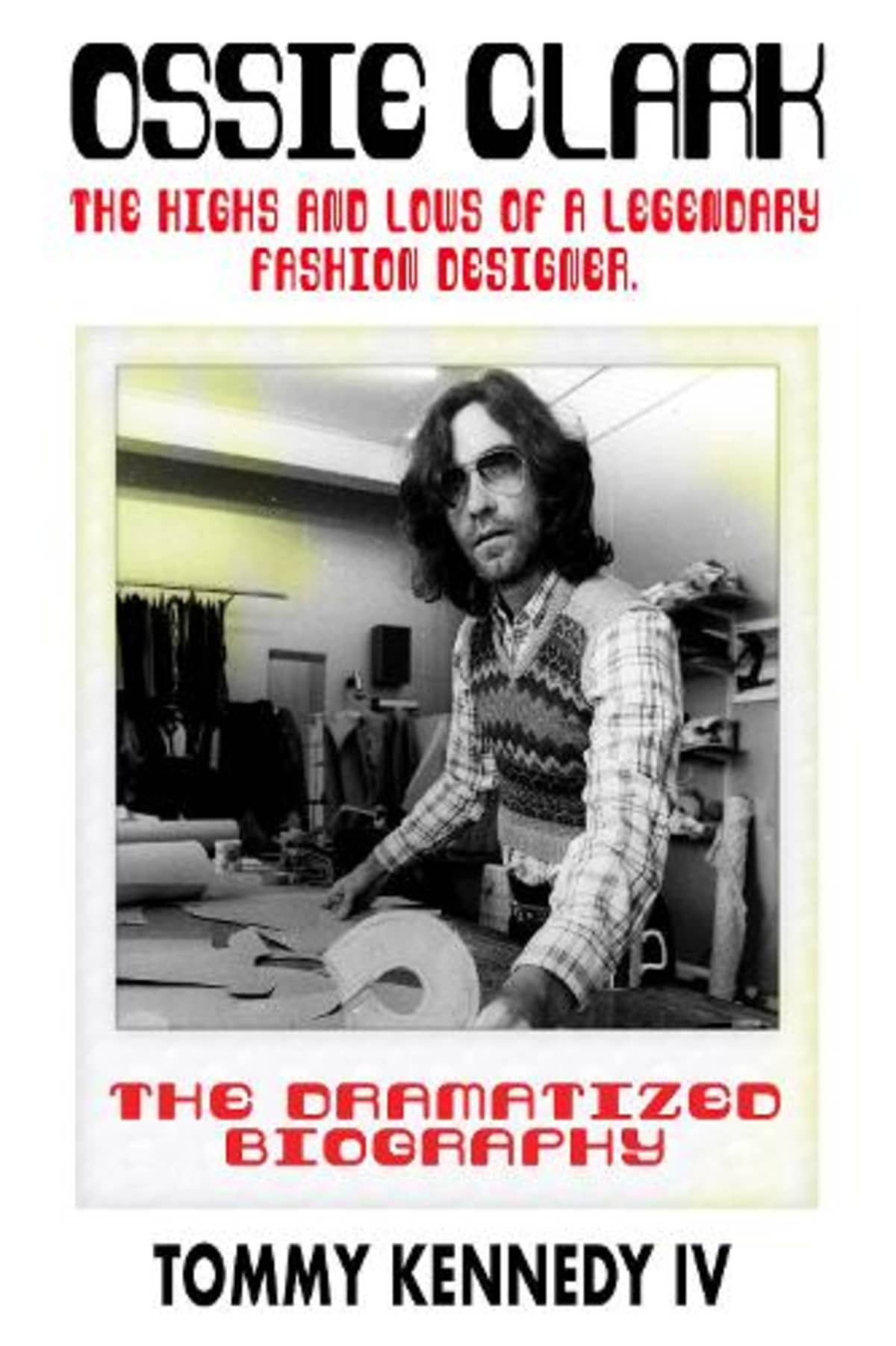
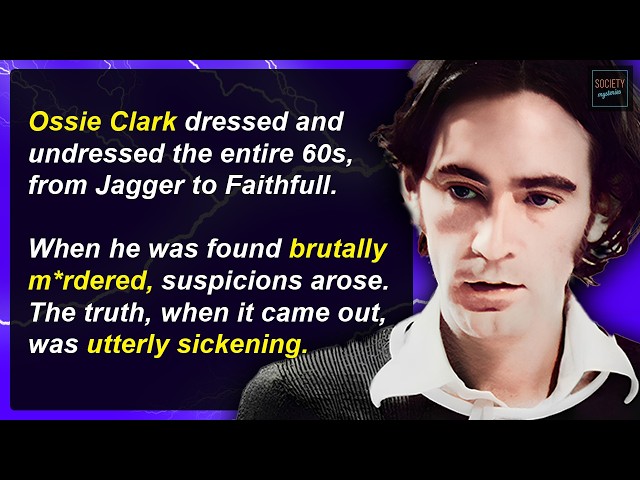

Ossie Clark was one of the most influential British fashion designers of the twentieth century.
At his peak in the late 1960s and 1970s, he redefined how women dressed, moved, and were seen. His fall was as sharp as his rise, shaped by addiction, financial collapse, and an industry that moved on without him.
This is the full story of Ossie Clark. The genius, the damage, and the legacy he left behind.
Who Was Ossie Clark?
Ossie Clark was a London-based fashion designer who became synonymous with the cultural explosion of Swinging London. He did not design for mannequins or magazine spreads. He designed for real bodies in motion.
His work captured a specific moment in British history. Sexual freedom. Artistic risk. Music bleeding into fashion. Clothes that felt alive.
London in the late sixties does not make sense without Ossie Clark.
The Peak of Ossie Clark’s Career
At his height, Ossie Clark dominated British fashion.
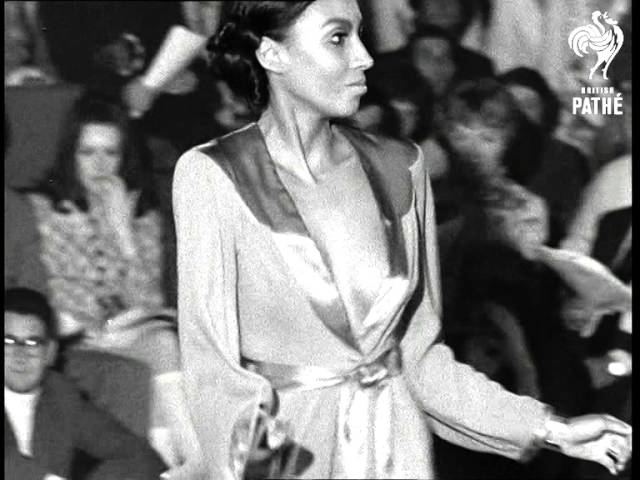
He understood movement. Not how women stood still, but how they walked, danced, and entered rooms. His dresses followed the body. They floated, clung, and reacted to motion with precision.
His collaboration with textile designer Celia Birtwell was crucial. Her bold, fluid prints gave his silhouettes energy and identity. Together they created a look that became instantly recognisable.
You did not need to see the label. You knew it was Ossie Clark.
Celebrities Who Wore Ossie Clark
Ossie Clark dressed the cultural leaders of the era, not as clients but as equals.
David Bowie
Mick Jagger
Bianca Jagger
Marianne Faithfull
These were not marketing deals. These were people who lived the same world he did. Music, fashion, excess, confidence. Ossie Clark belonged in that room.
For a brief period, he was London fashion.
Why Ossie Clark Changed Fashion
Ossie Clark helped shift fashion away from stiffness and control. His designs celebrated intimacy, sexuality, and freedom without apology.
His work now sits in museums because it changed the language of dress. Designers still borrow from his ideas, whether they admit it or not. Fabric that moves with intention. Clothing designed to be worn, not displayed.
His influence never disappeared. It just stopped being credited.
The Decline of Ossie Clark
Talent does not protect you from reality.
As the 1970s ended, the fashion industry changed. Punk arrived. Minimalism followed. Business became harder, sharper, less forgiving.
Ossie Clark struggled to adapt. Not creatively, but practically. He was an artist operating in an industry that had stopped tolerating chaos.
Money problems mounted. Debts grew. Addiction took hold. Relationships turned damaging. He trusted the wrong people and lost control of his own brand.
Fashion moved on. Ossie Clark did not.
The Death of Ossie Clark
In 1996, Ossie Clark was murdered by someone he knew.
There was nothing romantic about it. No myth. No poetry. Just violence and loss. A brutal end to a life already pushed to the edges.
His death forced a reckoning with how the fashion industry treats its pioneers once they are no longer useful.
The Legacy of Ossie Clark
Ossie Clark’s story is not a glamorous rise-and-fall narrative. It is a warning.
He proved fashion could be emotional, intimate, and fearless. He also proved that brilliance offers no protection once the spotlight shifts.
The industry remembers the dresses and forgets the person.
What survives is the work. It still feels modern. It still moves. Every time fabric is designed to respond to the body rather than control it, Ossie Clark is there.
He burned fast. He burned alone. But for a moment, he changed how the world dressed.
That legacy endures.