
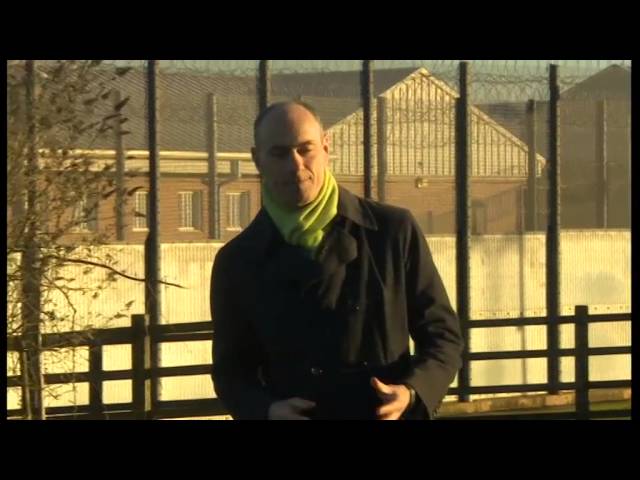

I was at Whatton Detention Centre in 1974 and 1975. Long before slogans hardened into policy. Long before politicians had a neat phrase for it. The violence was already there. What later became the “short, sharp shock” didn’t start with Margaret Thatcher. It was baked into the walls from day one.
Whatton Detention Centre: Discipline or Fear?
Whatton, in Nottinghamshire, was sold as a youth detention centre focused on reform and discipline. The truth was different. It delivered fear. Systematic, institutionalised fear, passed down from officer to boy like a lesson you learned fast—or paid for over and over.
Survivors from Whatton Detention Centre, Medomsley, Kirklevington, Eastwood Park and other UK juvenile detention centres tell the same story:
- Beatings on arrival
- Humiliation dressed as routine
- Officers demanding to be called “Sir,” using fists if you hesitated
- Random, unpredictable punishments
- Food and sleep used as tools of control
- Letters censored
- Nakedness and intimidation
- Sexual abuse that boys still struggle to name
James Carré Rice, sent to Whatton at fifteen, was punched in the face on arrival for calling an officer by name instead of “Sir.” Others cried quietly at night, sobbing into pillows, because noise brought more punishment. One boy, caught dancing in a corridor, was beaten so badly that he took his life within weeks of release. These are not stories to shock—they are documented.
In 2018, The Independent reported that former inmates describe these centres as sadistic, brutal concentration camps. Lives derailed by what should have been reform: addiction, violence, prison. Not discipline. Not dignity.
I recognise every word.
Life Inside Whatton: Walking Through Violence
At Whatton, violence wasn’t a reaction to misbehaviour—it was the atmosphere. You learned to walk a certain way, keep your eyes down. Your body didn’t belong to you. Authority wasn’t respected—it hurt.
Staff were grown men. We were boys. That imbalance was deliberate. They didn’t see children who’d gone wrong. They saw material to break. You were scum. Useless. A waste. Say that enough to a fourteen-year-old, and it sticks. Even after you leave.
Politicians later claimed this system would scare boys straight. Evidence shows the opposite. Solicitors representing survivors draw a clear line from abuse to prison, drugs, violence, and suicide. Many were there for petty theft, joyriding, or receiving stolen goods—things that today barely register. What they learned was to hate authority and expect cruelty as normal.
Leaving Older and Younger
I came out of Whatton older than my years, and younger where it mattered. You don’t leave places like that clean. You leave with reflexes. Anger. A sense that power is something you either submit to—or fight. No middle ground.
What cuts most is how long it took to be heard. Complaints ignored. Men told to move on. To forget. Meanwhile, the past kept living in them.
The abuse at Whatton wasn’t an aberration. It was part of a wider system that let officers believe hurting children was authorised in the name of order. Survivors remember staff saying they acted for “Queen and country,” as if cruelty was signed off from above. No oversight. No consequences. Silence.
Decades Later: The Legacy of Abuse
Now, decades later, inquiries crawl forward. Headlines come and go. Some men rebuild their lives. Others never lived long enough to tell their stories. The damage is measurable: broken families, graves, prison records, hospital files.
I write this because memory matters. Because Whatton was real. Because I was there. Boys were hurt. Some never recovered. Calling it discipline doesn’t change what it was. It was abuse. Plain and simple. And it shaped a generation in ways no government ever accounted for.
If this country wants justice, it has to start by telling the truth about what it did to children in its care. Not as history. As responsibility.
- Medomsley Detention Centre Abuse Stories
- Kirklevington Hall Survivors’ Accounts
- UK Juvenile Justice System History
- Rebuilding Life After Youth Detention
About the Author
Tommy Kennedy IV is a writer and music promoter from Warrington, now living in London. He writes in a gritty, unflinching voice, exploring memory, justice, and life lived hard. Read more of his work and reflections at www.tommykennedyiv.com.