
How Andy Burnham's Roots Shaped the King of the North
Andy Burnham is widely recognised today as the high-profile Mayor of Greater Manchester, a political heavyweight who frequently challenges Westminster on behalf of the North of England.
But to truly understand his political drive and authentic northern identity, you have to look beyond Manchester.
His story begins further west, rooted in an upbringing that bridges the historic city of Liverpool and the Cheshire suburb of Culcheth in Warrington.
It is this blend of working-class heritage and semi-rural life that helped shape one of the most influential politicians in modern Britain.
Born in Liverpool: The Working-Class Foundation
Andy Burnham was born on 7 January 1970 in Old Roan, a traditional area of Liverpool situated near the famous Aintree Racecourse.
His father worked as a telephone engineer, and his mother was a receptionist. Burnham's early years were grounded in a solid working-class community during a period of major economic and social change across Merseyside.
His birthplace in Liverpool instilled a strong sense of identity, community spirit, and resilience.
Even as his career took him to the highest levels of government, this connection to Liverpool's fierce regional pride remained a core element of both his personality and politics.
Raised in Culcheth, Warrington: The Formative Years
Before the end of the 1970s, the Burnham family moved to Culcheth, a village on the northern edge of Warrington.
This move would prove pivotal.
Growing up in Culcheth offered a completely different experience from the dense urban streets of Liverpool. The village provided a quieter, semi-rural setting, surrounded by Cheshire lanes and post-war housing developments built for expanding families.
Living in Warrington also gave Burnham a unique perspective.
He was close enough to feel the influence of both Liverpool and Manchester, yet distant enough to understand the challenges facing smaller towns and suburban communities that often sit in the shadow of larger cities.
Even his accent reflects this dual identity.
Its softer, flattened Scouse tones hint at both his Merseyside birth and his Cheshire upbringing.
From Culcheth to Cambridge and Westminster
Burnham attended St Aelred's Catholic High School in Newton-le-Willows before winning a place to study English at Fitzwilliam College, Cambridge.
The move from a Warrington village to one of the world's most prestigious universities exposed him to the stark regional and class divides that exist across Britain.
The experience strengthened his commitment to public service and to creating greater opportunities outside London.
When he entered politics, Burnham did not represent his birthplace of Liverpool.
Instead, he became the Member of Parliament for Leigh in 2001, a proud industrial and former coal-mining town just north of Warrington.
He would serve the constituency for sixteen years, building a reputation as a politician who understood both local concerns and national policy.
Rising to Government
During the New Labour years, Burnham rose quickly through the political ranks.
He held several major Cabinet positions, including Chief Secretary to the Treasury, Culture Secretary and Health Secretary.
These roles placed him at the centre of government, dealing with everything from public spending and regional investment to healthcare and the future of British media and sport.
Yet despite his success in Whitehall, Burnham often expressed frustration with Westminster's highly centralised politics.
He argued that London-focused policies too often overlooked northern towns and communities like those he had grown up around.
Mayor of Greater Manchester: The King of the North
In 2017, Burnham made a bold decision.
He stepped down from Parliament and ran for the newly created role of Mayor of Greater Manchester.
He won convincingly.
As mayor, he sought to unite the region's diverse boroughs under a shared economic and cultural vision, championing local decision-making and stronger public services.
His leadership style soon earned national attention.
During the COVID-19 lockdowns in 2020, Burnham became a prominent voice demanding greater financial support for northern workers and businesses.
Standing on the steps of Manchester Central, he challenged the Government's approach and became a symbol of northern resistance to Westminster centralisation.
The media quickly gave him a new title: the King of the North.
Transforming Greater Manchester
As mayor, Burnham has overseen several major initiatives.
The Bee Network has brought Greater Manchester's bus services back under public control for the first time since deregulation in 1986, creating an integrated transport system inspired by London's model.
He has also pushed for greater devolution, securing agreements that give the region more control over housing, skills training and education.
Throughout his time in office, Burnham has consistently argued that decisions affecting northern communities should be made closer to the people who live there.
A Politician Shaped by Place
From his earliest days in Old Roan to the lanes of Culcheth and the streets of Greater Manchester, Andy Burnham's journey has been shaped by the places he has called home.
His story is more than a political career.
It is a story about regional identity, community and the enduring influence of northern roots on modern British politics.
Whether admired or criticised, Burnham remains one of the defining political figures of his generation — a leader whose connection to the North has remained at the heart of everything he does.
June 22, 2026
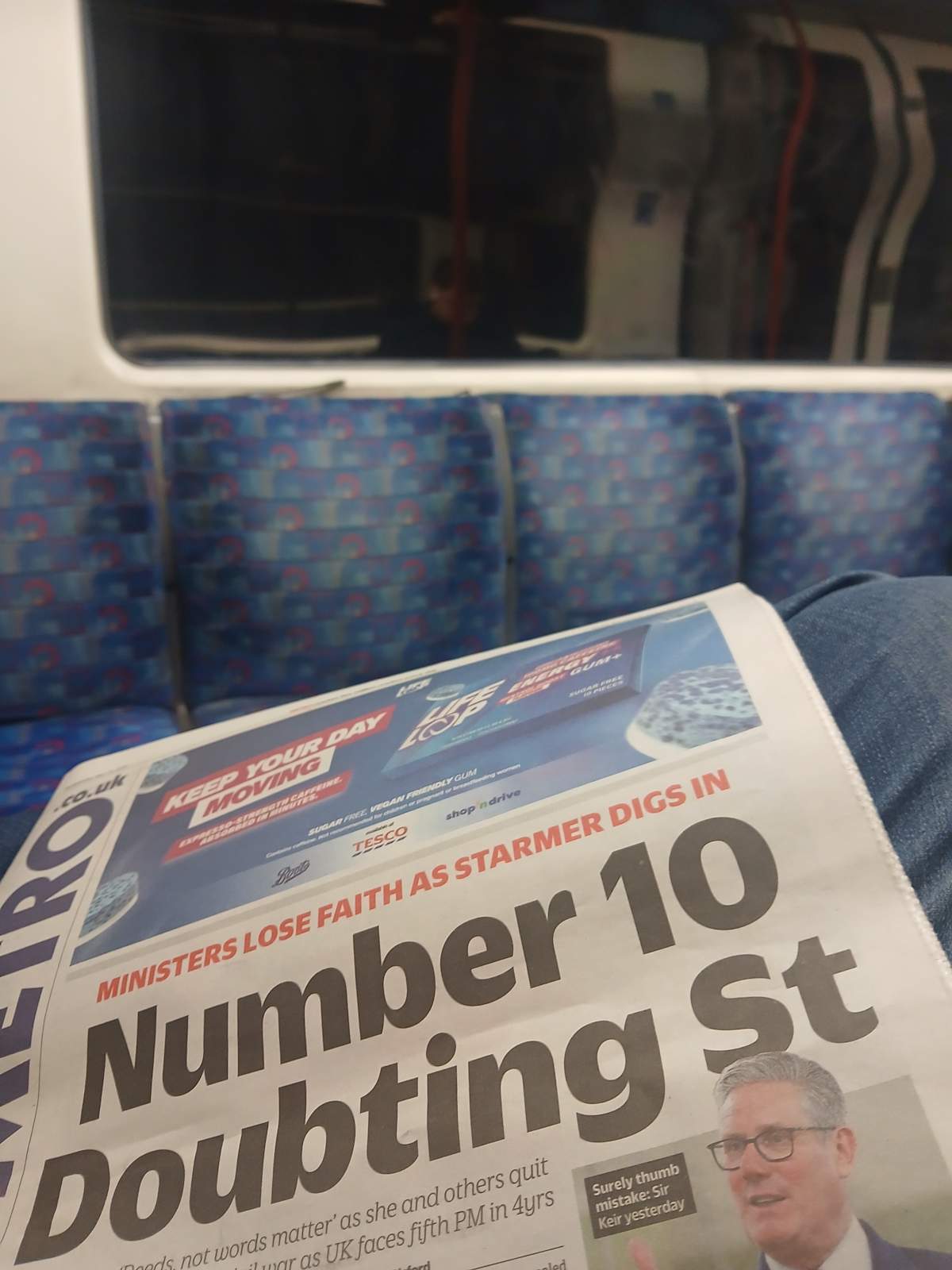
WILL THE KING OF THE NORTH, ANDY BURNHAM, BE THE NEXT PRIME MINISTER AND GROWING UP IN CULCHETH, WARRINGTON